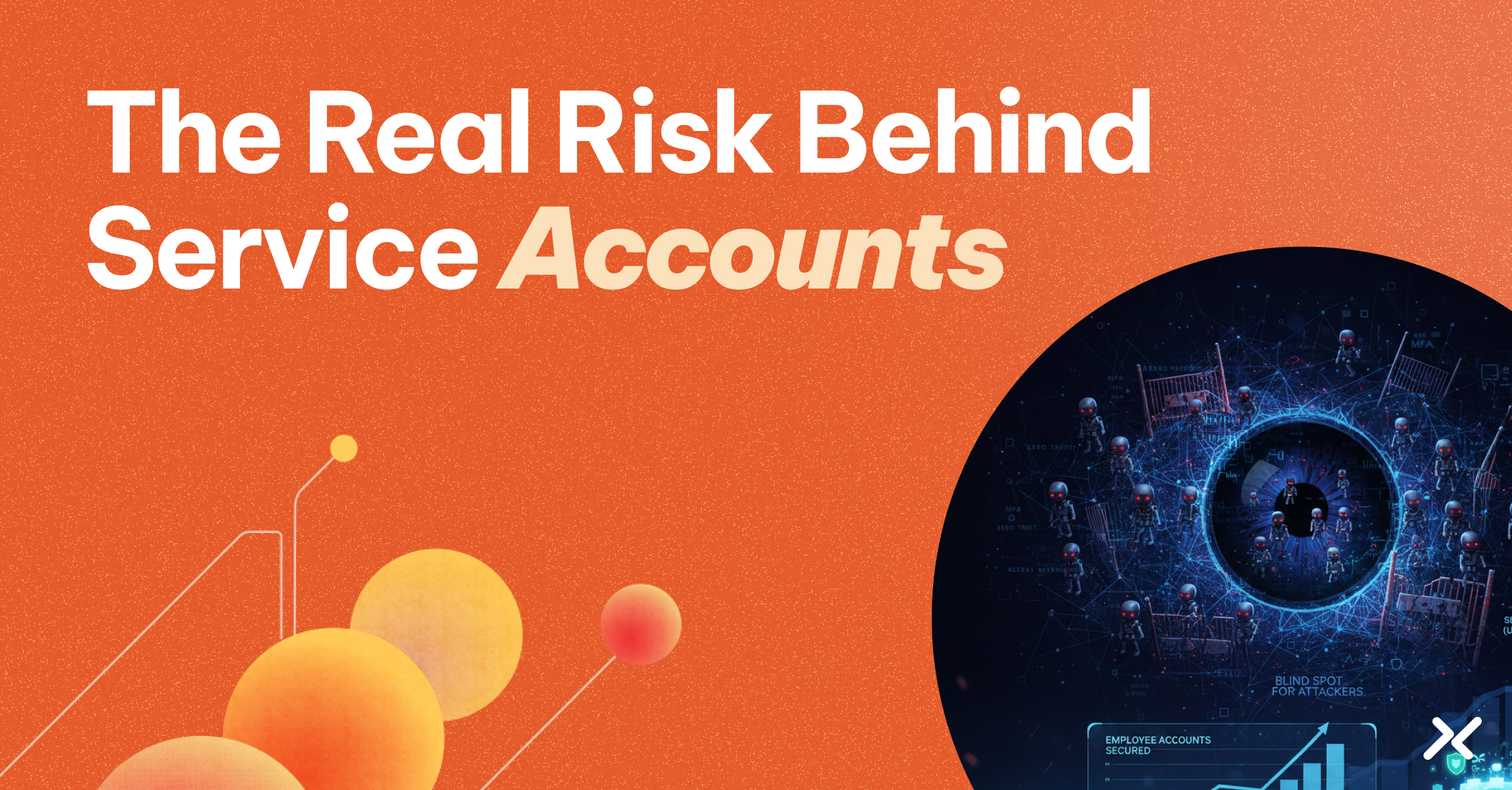



Recent breaches across high-profile companies have highlighted the urgent need for better security practices around non-human workload credentials.
From the New York Times’ significant source code leak to Microsoft’s Midnight Blizzard attack, the common thread across these incidents is the exploitation of inadequately secured non-human identities, such as service accounts, API keys, and access tokens.
These breaches underscore a fundamental – and familiar – misstep in traditional security strategies: a reactive stance focused on damage control rather than prevention. The old method of tracking service accounts on dashboards, rotating credentials, and scrambling in breach aftermaths is proving insufficient against today’s threats exploiting non-human credentials.
For example, the recent breach at Dropbox, which involved unauthorized access through a compromised service account, highlights the critical gaps in periodic credential rotation and monitoring. Similarly, GitHub-related incidents involving hardcoded credentials reflect the persistent challenge of managing secure access within developer environments.
To effectively counter these exposure risks, organizations must pivot toward a more proactive, automated strategy that borrows from the principles of ‘least privilege’ and real-time threat detection.
Implementing secretless authentication and identity federation for workloads can streamline access security by dynamically issuing short-lived credentials, thereby significantly reducing the risk of credential theft.
Moreover, integrating authentication as a core platform service can alleviate the burden on developers from managing security protocols, allowing them to focus on innovation without compromising security. This shift not only enhances the protection of critical data and systems but also aligns with the evolving landscape where security is integrated seamlessly into every layer of the digital infrastructure.
The transition from ad-hoc, password-managed systems to a centralized, policy-based system for workload identity and access management (WIAM) is crucial as organizations expand and their digital workloads increase in complexity. This evolution is essential not only for operational efficiency but also for maintaining robust security in an era of sophisticated cyber threats, like the state-sponsored Midnight Blizzard attack. As non-human identities become even more integral to and prolific in business operations, refining how they are managed is necessary to outpace the bad guys.