Author: Dan Kaplan

Modern infrastructure depends on keys: encryption and access. They’re not the same, and treating them the same quietly introduces risk.
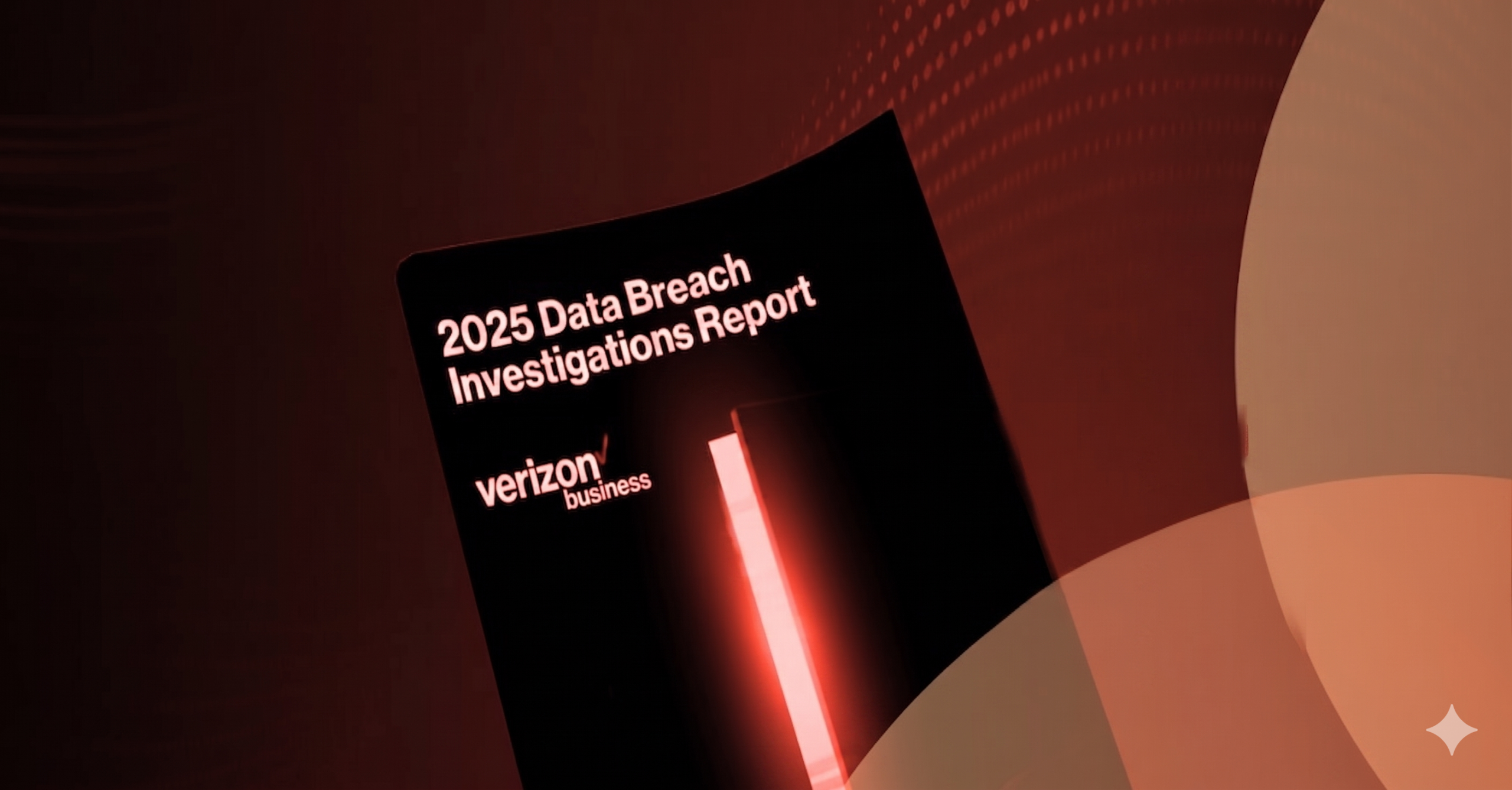
Stolen credentials remain the most common way attackers get in. The 2025 Verizon Data Breach Investigations Report, covering more than 22,000 security incidents and 12,000 confirmed breaches, makes the case plainly: credential abuse was the leading initial access vector for the second consecutive year.
Workload identity proves who a workload is. Workload access management controls what it can do. Learn why separating them is critical for zero trust.
Two in five SaaS platforms fail to distinguish human from nonhuman identities. Learn why the distinction matters and how to manage both securely.
Instead of duplicating accounts or sharing credentials, one identity system can validate identities issued by another and grant access based on that trust.
For every human identity your IAM program governs, there are roughly 82 machine identities operating outside it. Most of them authenticate with static credentials that were provisioned once and never reviewed.
Most organizations start their nonhuman identity security program with a secrets manager. It’s a sensible first step. But as workloads multiply across clouds and the credential sprawl grows, the question shifts from “where do we store secrets?” to “do we need secrets at all?”
Anthropic’s disclosure of an AI-driven espionage campaign it halted is best understood as a faster, more persistent version of patterns the industry has seen before. What distinguishes this incident is the continuity of activity an autonomous system can sustain once it is given the ability to interpret its surroundings and act on that understanding.
Based on responses from more than 200 enterprises, the findings show how AI agents are reshaping identity attribution and access control in ways existing models were not designed to handle.
Zero-trust architecture is a security framework built on a simple premise: no user, device or workload should be trusted by default, regardless of where it sits on the network.