Tag: Agentic AI

In MCP, every request comes from a nonhuman identity: an agent, server or tool. These identities don’t act under direct human oversight. They generate requests dynamically, chain operations and carry data across trust boundaries.
Traditional IAM was built for predictable workloads. Learn why AI agents demand a new approach to identity, access control, and credential management.
Discover verifiable agentic AI deployments in software, security, IT Ops, and logistics. Learn the essential security, identity, and governance patterns for safe production use.
As agents scale and operate continuously, MCP servers are becoming long-lived access intermediaries, concentrating privilege in ways security teams have already struggled to contain.
A ServiceNow impersonation flaw illustrates how agentic systems turn weak identity assumptions into durable access paths across enterprise environments.
Agentic AI introduces new cybersecurity risks, primarily concerning autonomous identity, tool chain exposure, and cascading compromises, requiring security teams to urgently adopt least-privilege identity frameworks and real-time monitoring designed specifically for self-directed, persistent workloads.

A project to improve test visibility meant using Aembit the same way customers do, in a real deployment environment where software runs unattended and requires trusted access to external services.
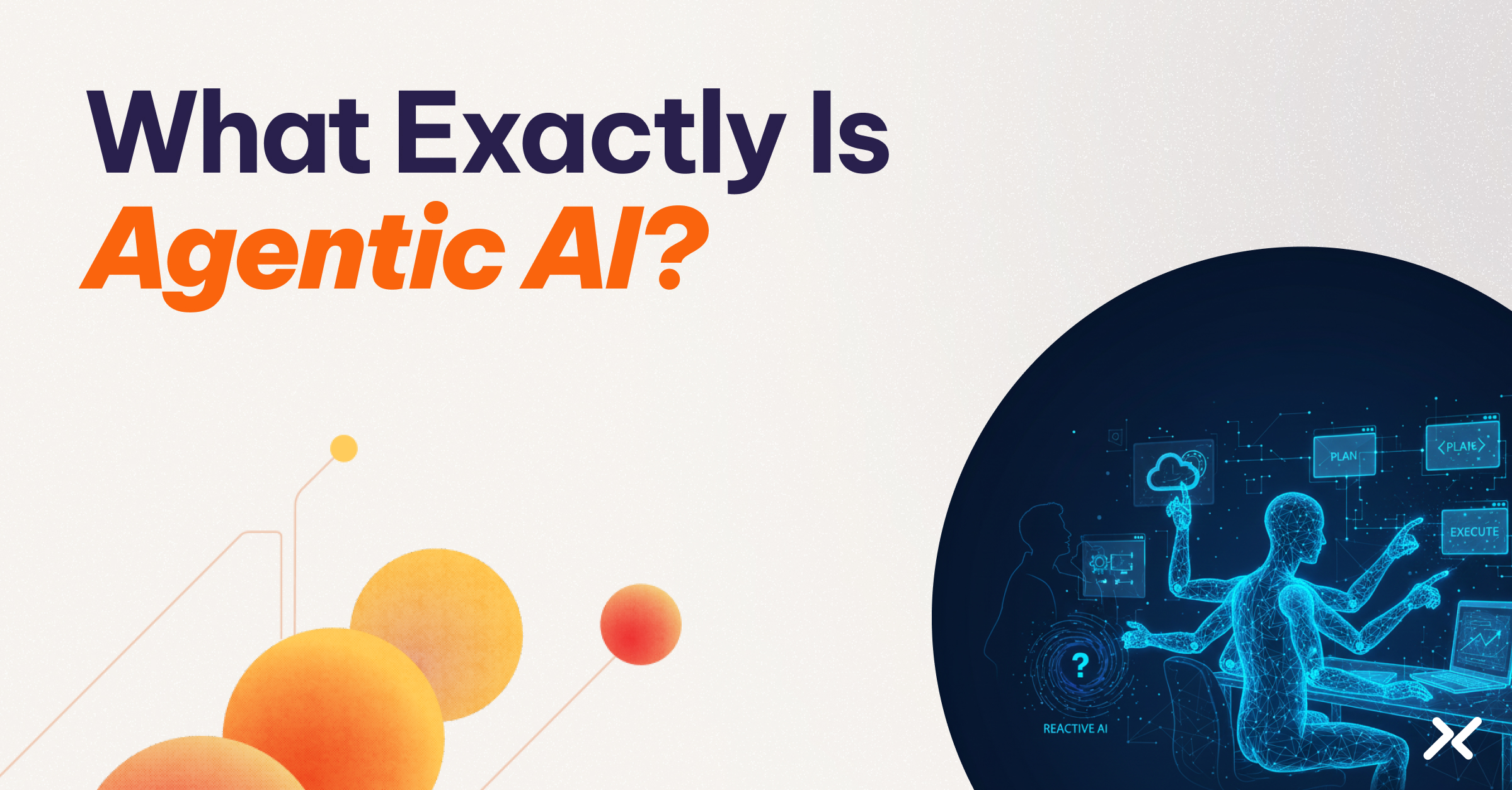
Agentic AI systems act autonomously to achieve goals, planning multi-step tasks and adapting to changing conditions.
The exposure demonstrates how ordinary errors can reveal internal credentials and how stronger limits on scope and lifespan can contain the impact.
The incident demonstrates how autonomous behavior reshapes intrusion patterns when identity is not clearly assigned or enforced.