Meet Aembit IAM for Agentic AI. See what’s possible →

Category: Industry Insights

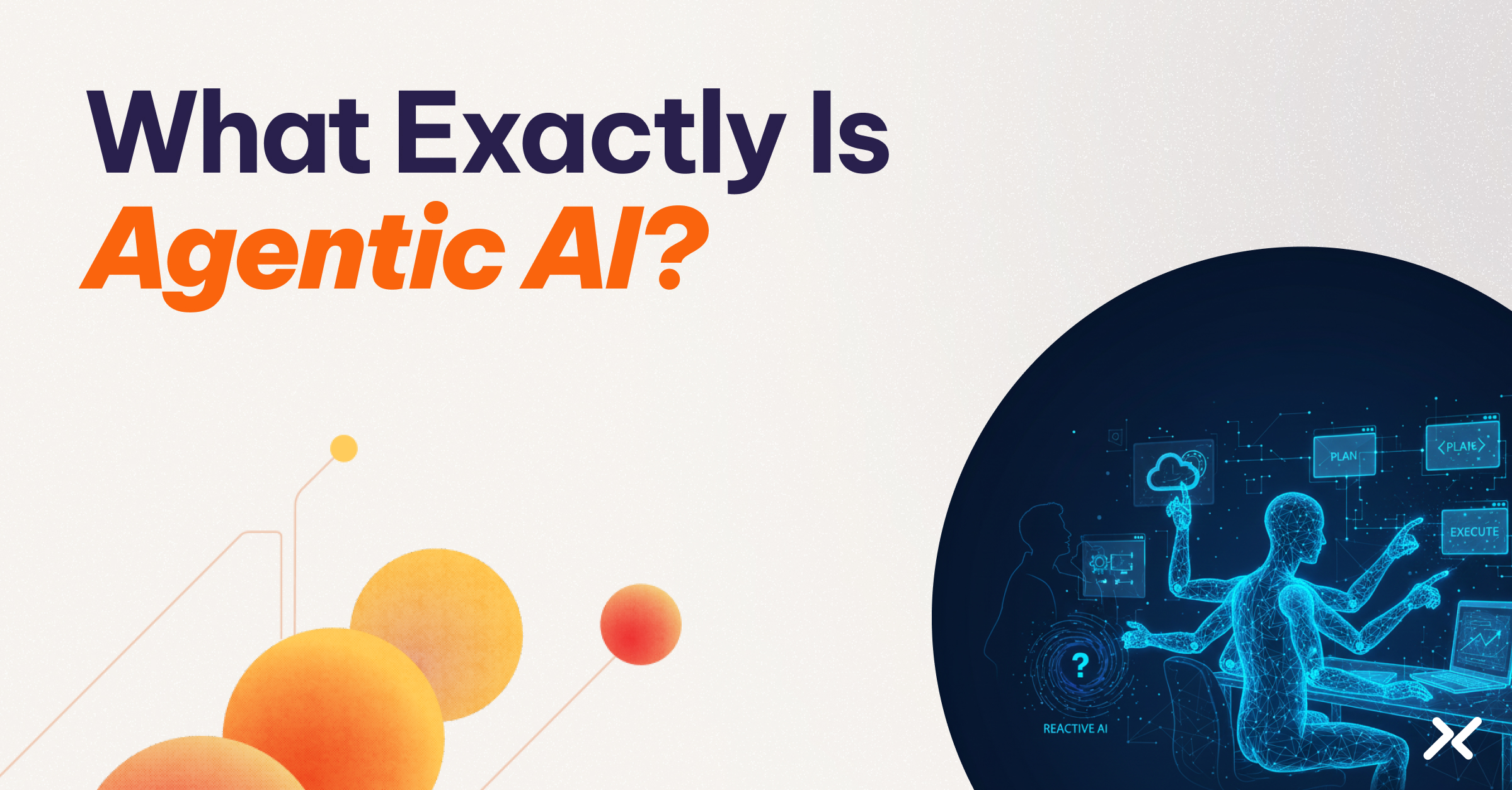
Agentic AI systems act autonomously to achieve goals, planning multi-step tasks and adapting to changing conditions.
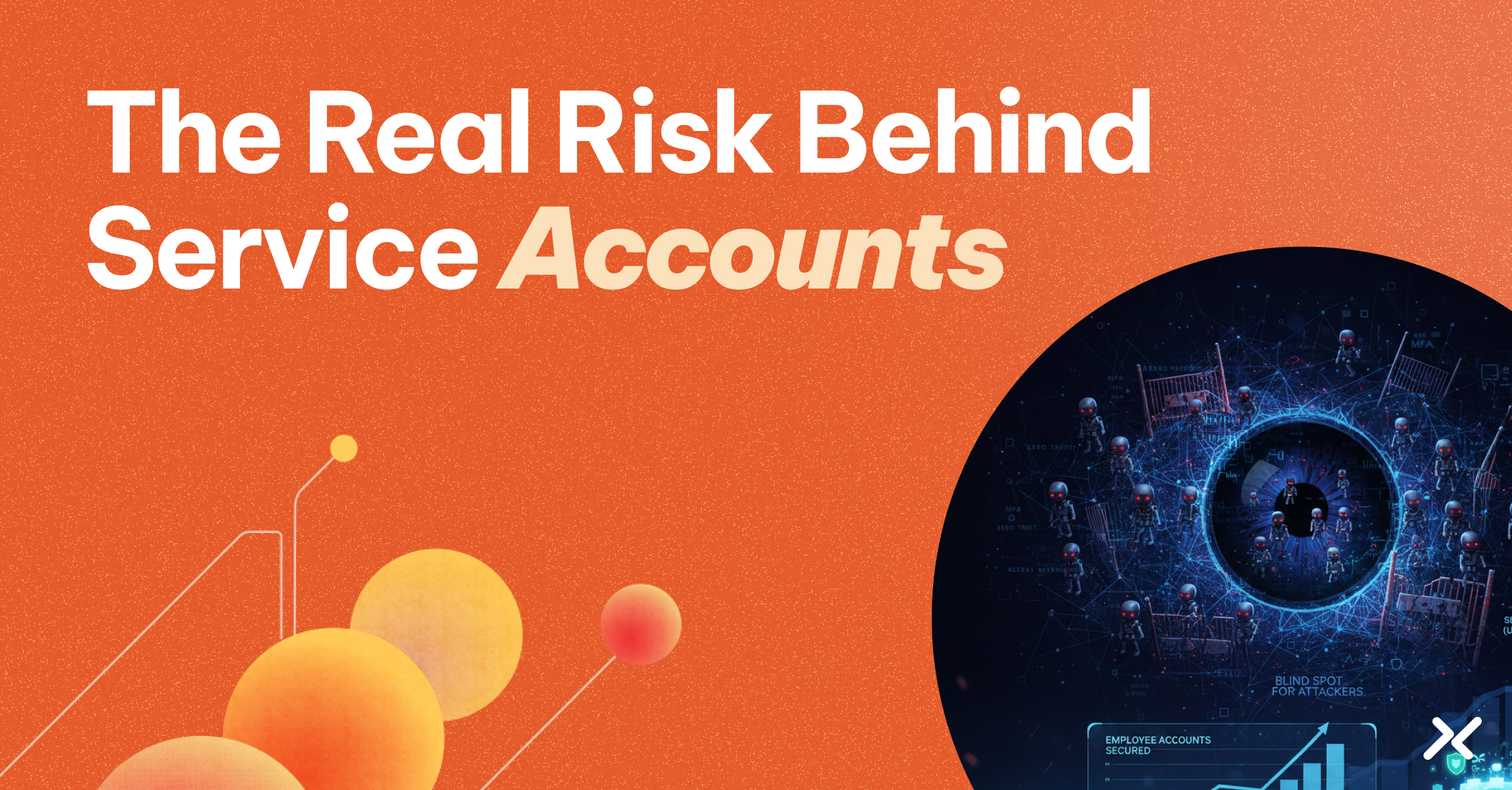
Service accounts outnumber human users but operate with static credentials and minimal oversight.
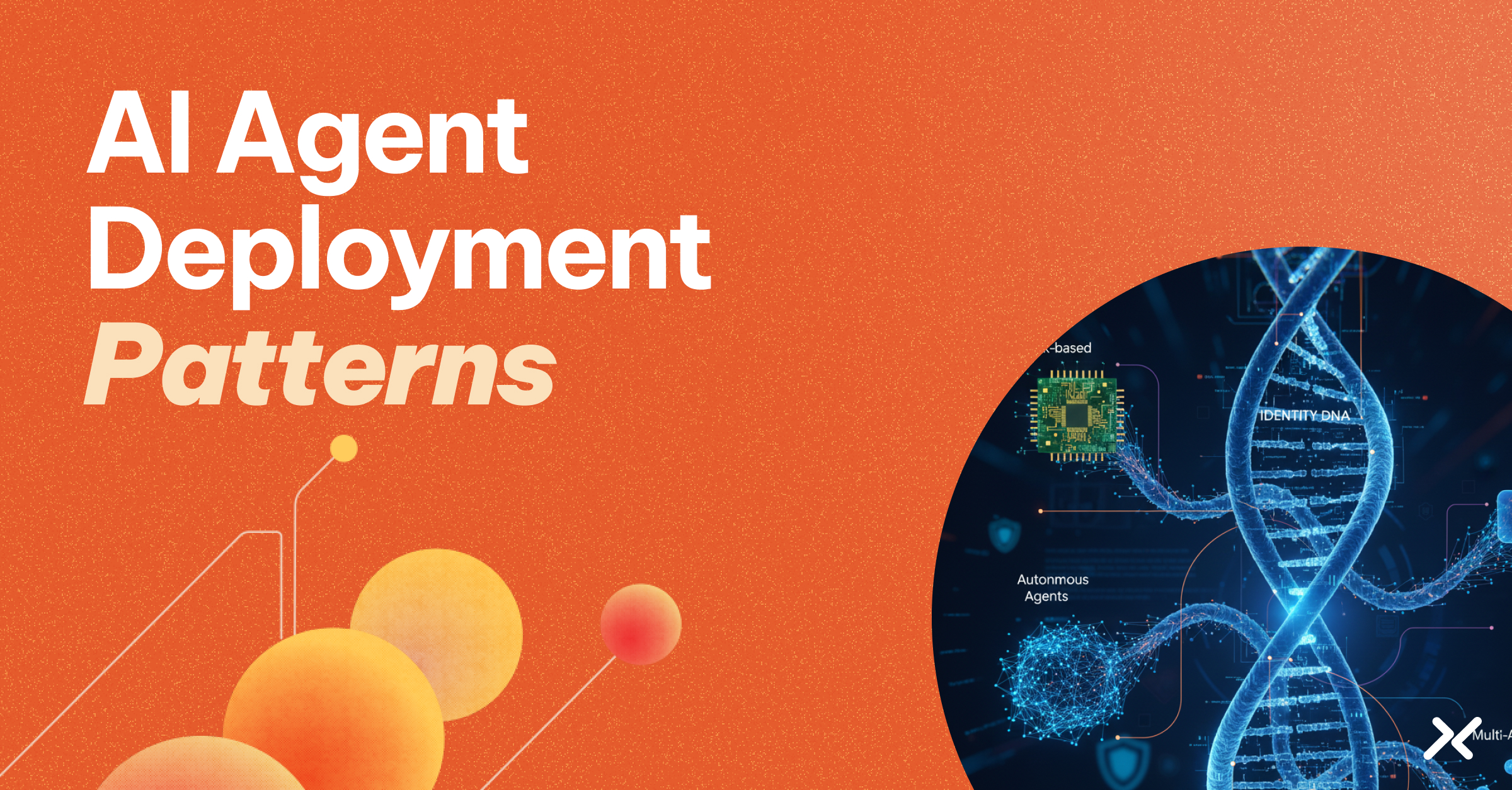
These four architectural patterns reveal how AI agents differ fundamentally from traditional workloads.
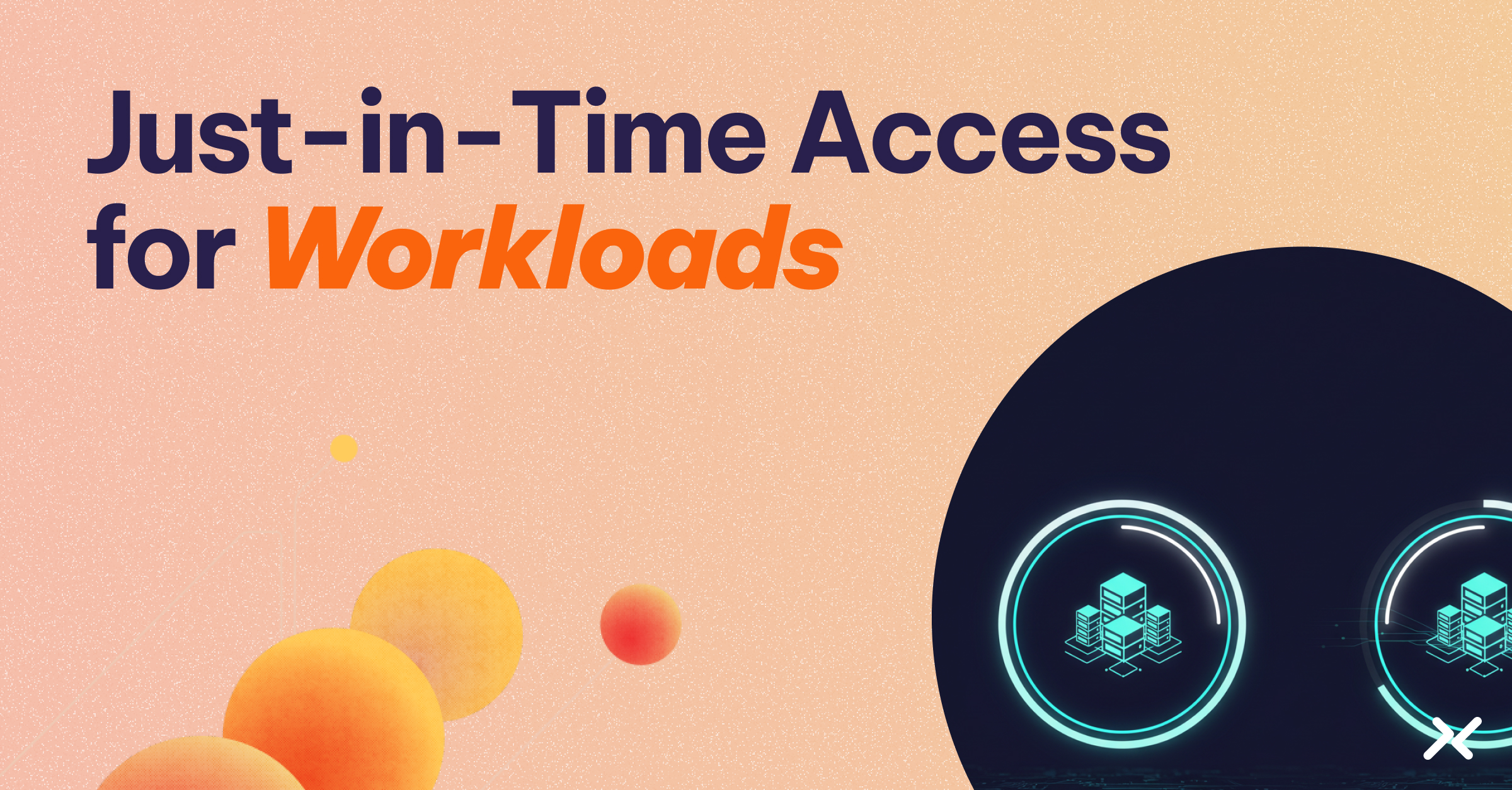
JIT access replaces the common practice of issuing and locally storing keys with a workflow that evaluates a workload’s rights every time it tries to access sensitive data.

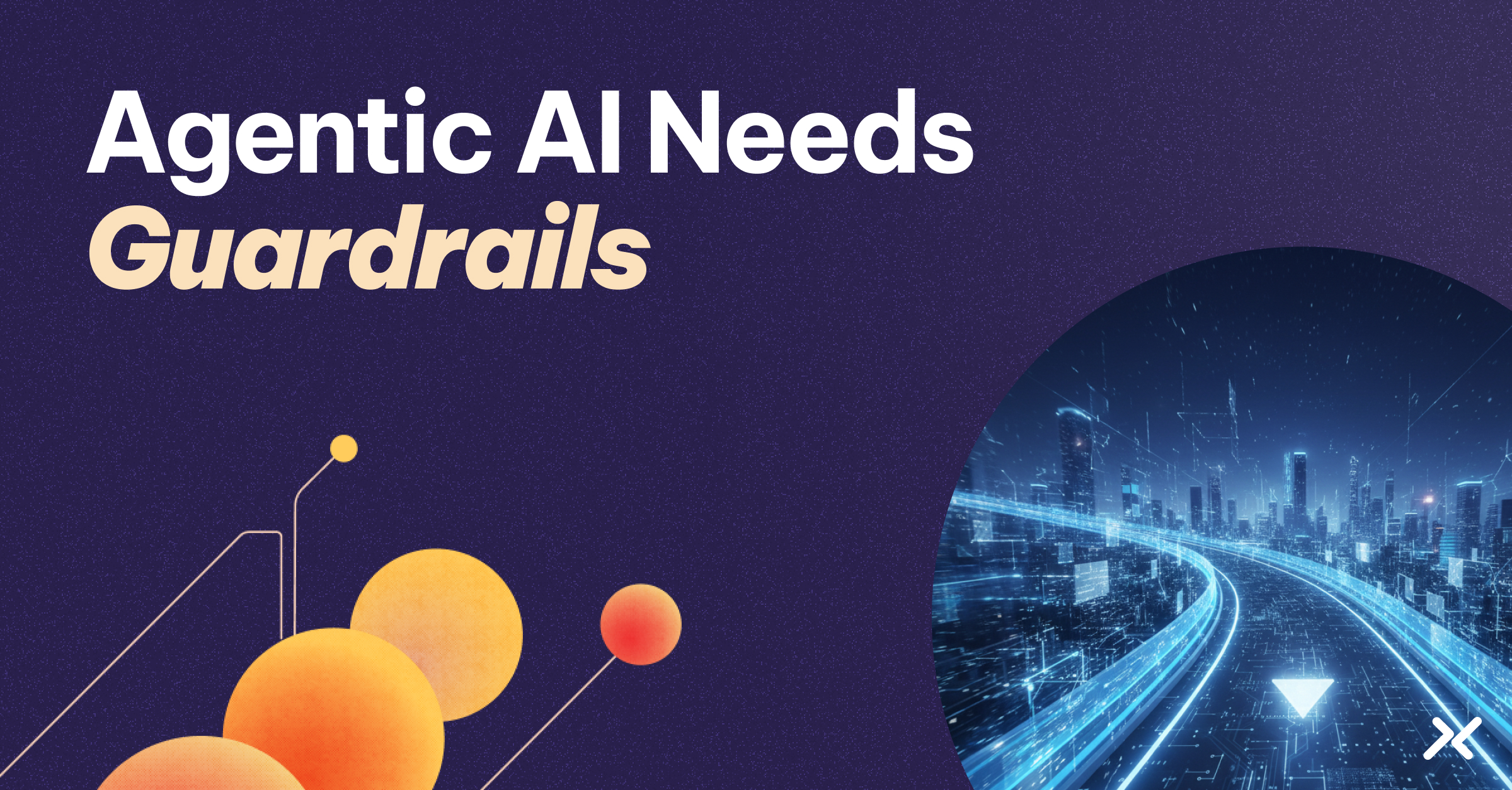
The organizations succeeding with agentic AI are deploying it with constraints.
How do you govern entities that can learn, adapt, and act independently while maintaining security and compliance?
Instead of just trusting the token’s signature, attestation-based identity adds an extra layer of security.
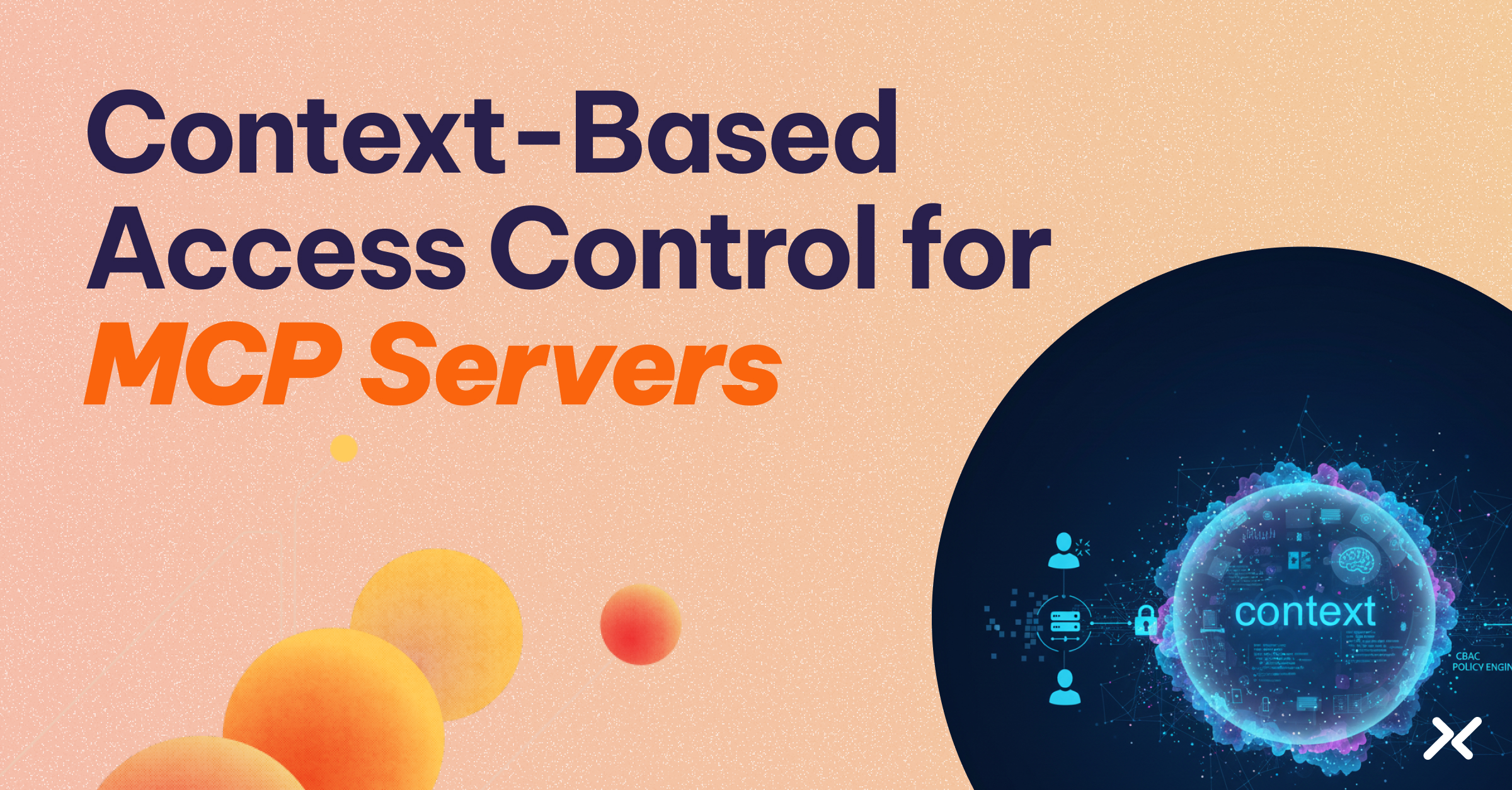
The Model Context Protocol (MCP), developed by Anthropic, standardizes how AI agents interact with external tools and data.
From rule-based chatbots to autonomous agentic AI, we’ve come a long way in past three decades.
Conditional access enhances security and reduces the attack surface without adding friction.