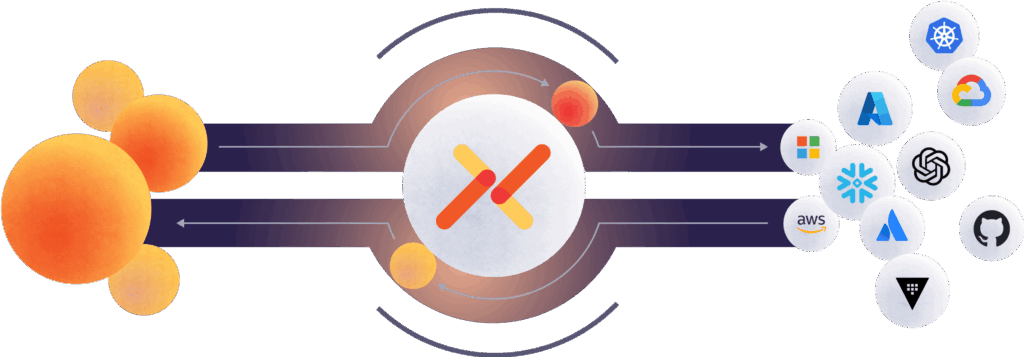
6min readInstead of duplicating accounts or sharing credentials, one identity system can validate identities issued by another and grant access based on that trust.
Instead of duplicating accounts or sharing credentials, one identity system can validate identities issued by another and grant access based on that trust.
While companies pour resources into securing employee accounts with MFA, zero trust and regular access reviews, service accounts still get created with static credentials, granted sweeping permissions and then left unmanaged. This creates a growing population of identities that operate outside traditional IAM controls.
For every human identity your IAM program governs, there are roughly 82 machine identities operating outside it. Most of them authenticate with static credentials that were provisioned once and never reviewed.
Most organizations start their nonhuman identity security program with a secrets manager. It’s a sensible first step. But as workloads multiply across clouds and the credential sprawl grows, the question shifts from “where do we store secrets?” to “do we need secrets at all?”
Anthropic’s disclosure of an AI-driven espionage campaign it halted is best understood as a faster, more persistent version of patterns the industry has seen before. What distinguishes this incident is the continuity of activity an autonomous system can sustain once it is given the ability to interpret its surroundings and act on that understanding.
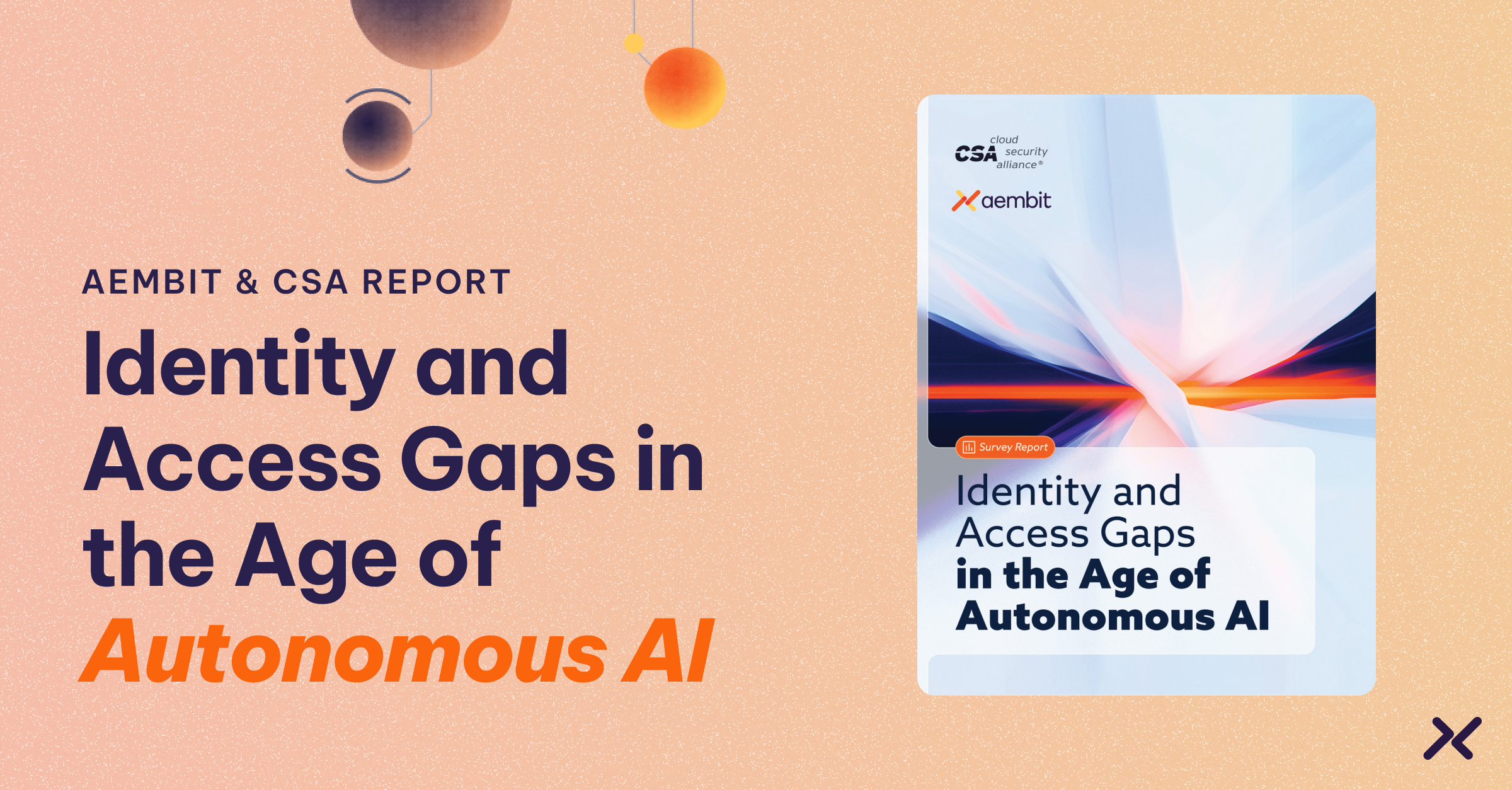
Based on responses from more than 200 enterprises, the findings show how AI agents are reshaping identity attribution and access control in ways existing models were not designed to handle.
By combining identity-based access control with content inspection, this closes a gap most teams are still trying to manage with separate tools and after-the-fact controls.
OAuth is an authorization framework that defines how to grant access. JWT is a token format that defines how to package and transmit claims. They solve different problems, and most production systems use both.
AI agent identity security is the set of practices and controls that treat AI agents as distinct, governable identities with their own authentication, authorization and audit requirements.
Secret remediation is the process of responding to an exposed credential by revoking it, rotating it and removing every trace of it from your environment.
Zero-trust architecture is a security framework built on a simple premise: no user, device or workload should be trusted by default, regardless of where it sits on the network.
Agentic AI guardrails are the technical controls, policy frameworks, and oversight mechanisms that define what an AI agent can do, what it can access and when it needs to stop and ask a human.