Category: Best Practices

Securing MCP servers requires rethinking the entire communication stack, not just adding TLS and calling it done.
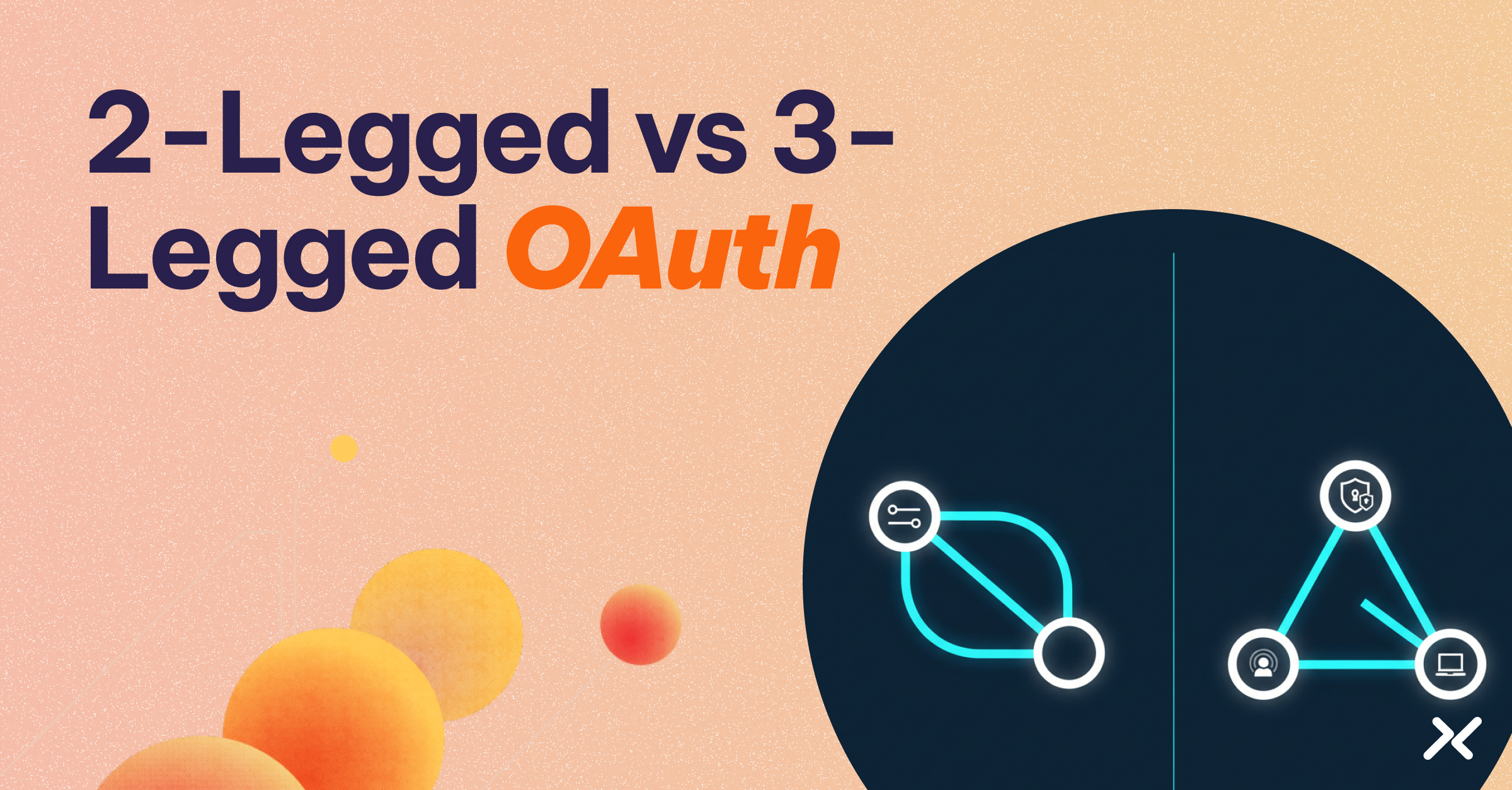
Choosing the right flow is only the beginning. The real challenge is implementing either flow without creating persistent credential vulnerabilities that undermine your security.
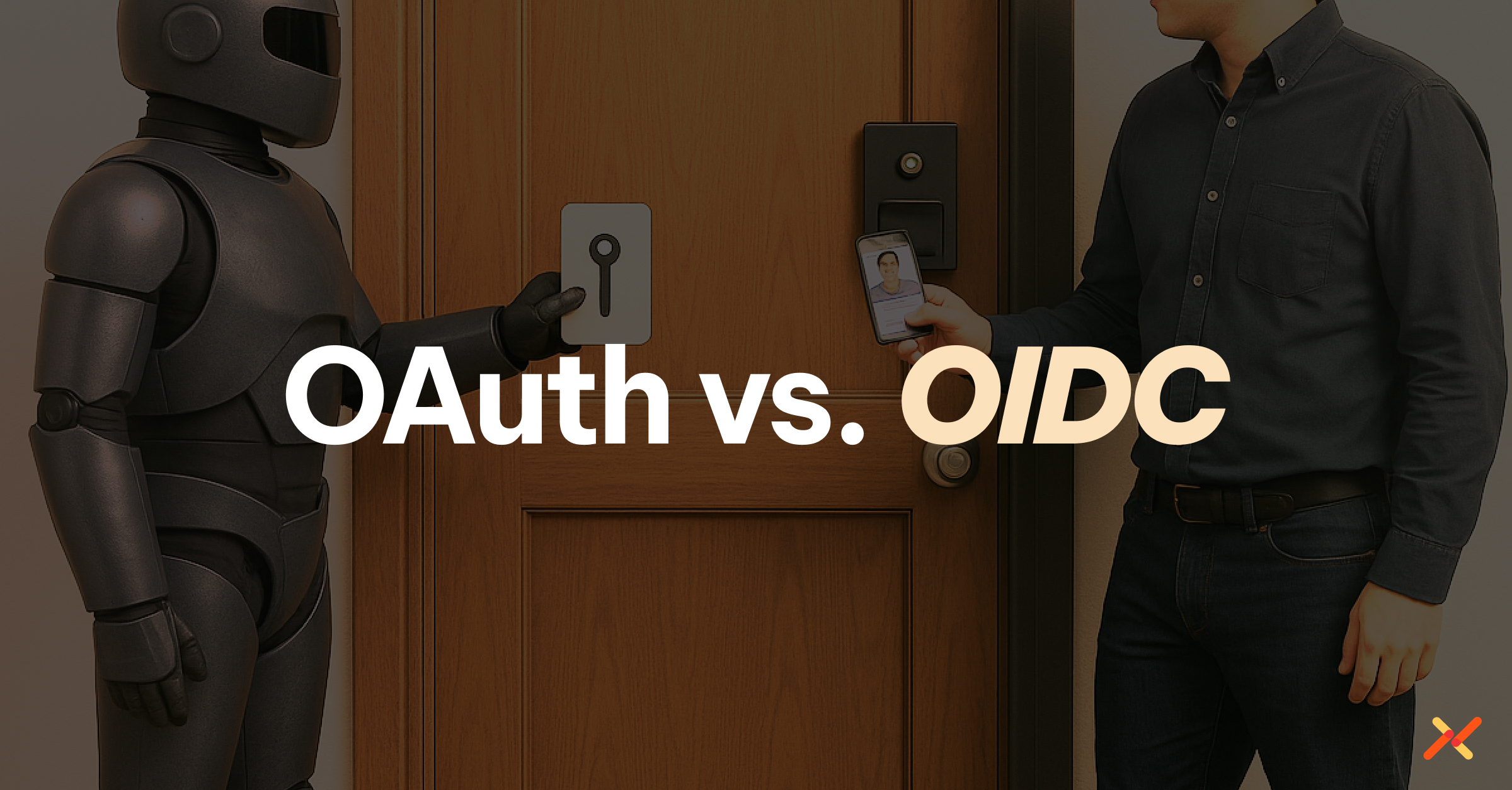
OAuth 2.0 and OIDC solve fundamentally different problems.
The dynamic nature of MCP makes a lack of visibility dangerous, as attackers can exploit complex workflows and ephemeral infrastructure to hide malicious activity.
Secrets sprawl forces developers into constant rework while leaving organizations exposed to the exact security risks they’re trying to prevent.
IAM migrations stall in hybrid enterprises due to massive on-prem Active Directory (AD) deployments, budget and regional constraints, and a lack of alignment among development, DevOps, and security teams.

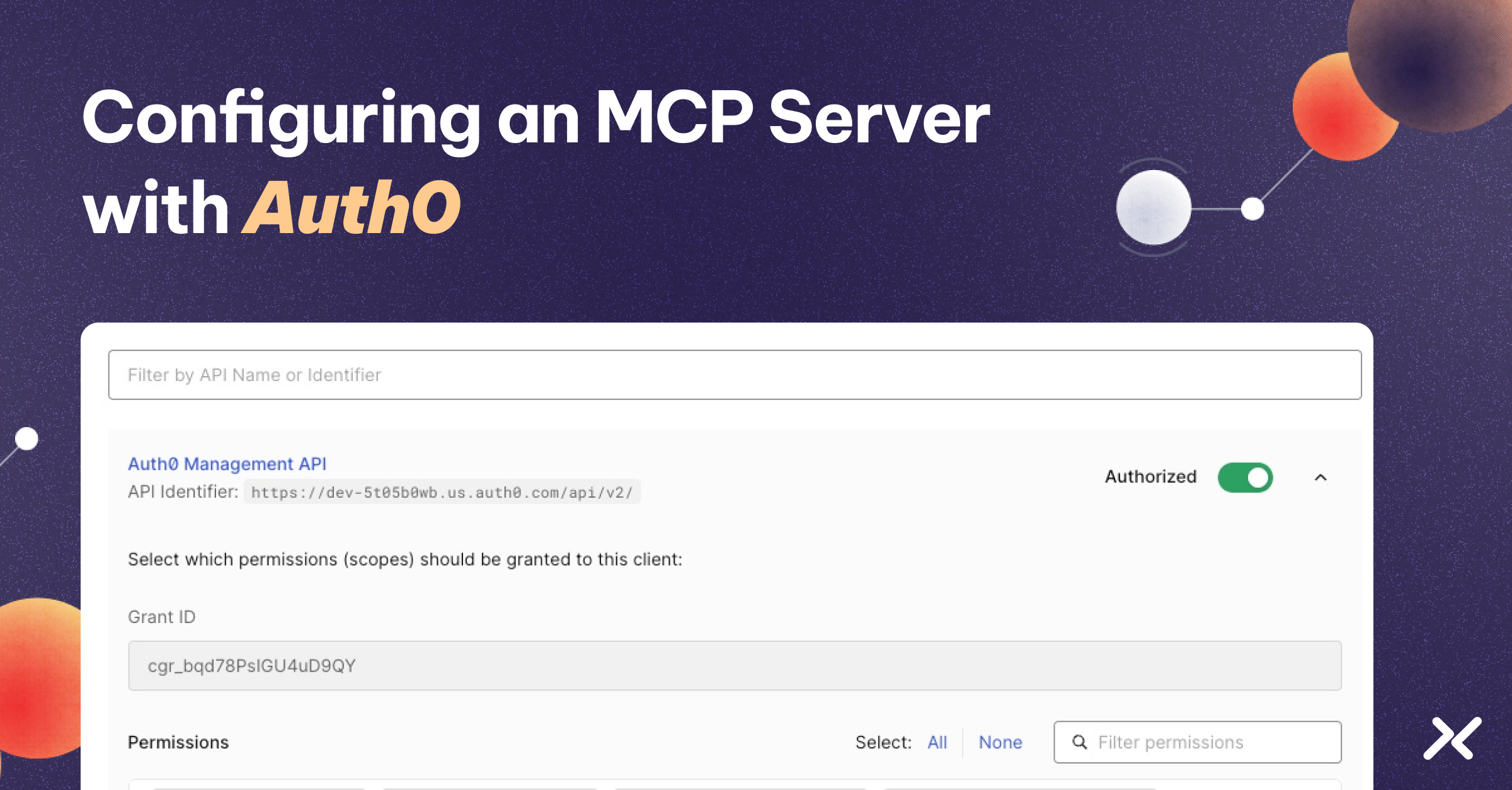
A practical walkthrough of the Auth0 settings and tweaks you’ll need to get an MCP server working smoothly with real-world clients like Claude.
AI agents face unique risks from static API keys and prompt injection. Learn why workload identity eliminates credentials for LLM workflows.
Learn why static secrets fail in modern environments and how to implement dynamic authorization.
If your workloads could talk, they’d probably ask for better IAM.